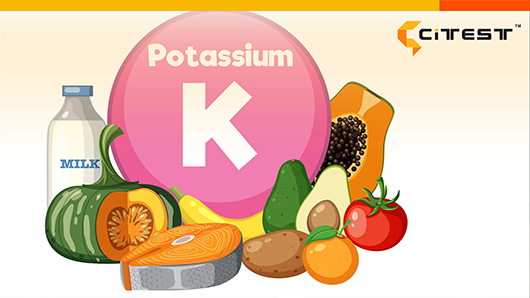
Adequate dietary potassium plays a vital role in supporting healthy blood pressure. According to the American Heart Association, people aiming to prevent or treat high blood pressure should target 3,500 to 5,000 mg of potassium daily, though individual needs vary by age, sex, underlying health conditions, and medications. As a general reference, an adult man may require nearly 3,000 mg per day, while an adult woman may need about 2,600 mg. Because requirements differ from person to person, it is wise to ask a healthcare provider about your individual daily need before starting any supplement.
Potassium supports blood pressure through several physiological mechanisms. As an electrolyte, it aids nerve transmission, muscle contraction, and fluid and salt regulation, and it helps regulate heart rate. Importantly, potassium counteracts sodium's harmful effects by stimulating the kidneys to excrete excess sodium in urine, which helps reduce pressure in blood vessels. Low potassium levels, by contrast, reduce sodium and water excretion, potentially leading to fluid retention that exerts additional pressure on blood vessel walls and raises blood pressure.
While adequate potassium from food is generally safe, excessive intake can cause hyperkalemia—abnormally high potassium levels in the blood. People with kidney problems, other metabolic diseases, or those taking certain medications are more susceptible. These medications include angiotensin II receptor blockers, ACE inhibitors, potassium-sparing diuretics, and loop and thiazide diuretics. Individuals with congestive heart failure, liver disease, adrenal insufficiency, or type 1 diabetes are also at risk. Those at risk should consult their healthcare provider about safely meeting potassium needs.
The best approach is to obtain potassium from foods, as recommended by the DASH eating plan. Natural sources include fruits such as grapes, apricots, blackberries, oranges, and grapefruit; vegetables such as carrots, potatoes, spinach, tomatoes, and broccoli; nuts; milk and yogurt; and fish, poultry, and meat. Supplements may be needed by those who cannot meet requirements through diet alone. In summary, potassium is a powerful yet simple tool for blood pressure management—but safety depends on knowing your own health status and seeking professional guidance before making changes.